

Introduction
Garbage compactor trucks play a crucial role in waste management systems around the world. These specialized vehicles are designed to efficiently collect and compact solid waste, reducing its volume and making it easier to transport and dispose of. In this comprehensive guide, we will explore the various specifications and features of garbage compactor trucks, highlighting the key factors that determine their performance and efficiency.
1. Types of Garbage Compactor Trucks
There are several types of garbage compactor trucks available in the market, each designed for specific applications and waste management needs. The most common types include:
- Rear Loader Compactor Trucks: These trucks have a rear-loading mechanism that allows waste collectors to pick up trash bins and load them into the compactor unit at the rear of the truck.
- Front Loader Compactor Trucks: Front loader compactor trucks feature a front-loading mechanism that allows waste collectors to pick up large containers or dumpsters and empty them directly into the compactor unit.
- Side Loader Compactor Trucks: Side loader compactor trucks are equipped with a side-loading mechanism that enables waste collectors to pick up trash bins from the side of the truck and load them into the compactor unit.
- Stationary Compactor Trucks: Stationary compactor trucks are designed to compact waste at a fixed location, such as a waste transfer station or recycling facility. They are ideal for high-volume waste disposal operations.
2. Key Specifications of Garbage Compactor Truck s
When choosing a garbage compactor truck, it is essential to consider a range of specifications that will impact the vehicle's performance and efficiency. Some of the key specifications to look out for include:
- Compactor Capacity: The compactor capacity refers to the maximum volume of waste that the compactor unit can compress and store. It is typically measured in cubic yards or cubic meters and determines how much waste the truck can collect before needing to be emptied.
- Compression Ratio: The compression ratio indicates the degree to which the waste is compressed inside the compactor unit. A higher compression ratio results in more efficient waste compaction and reduces the frequency of trips needed to empty the truck.
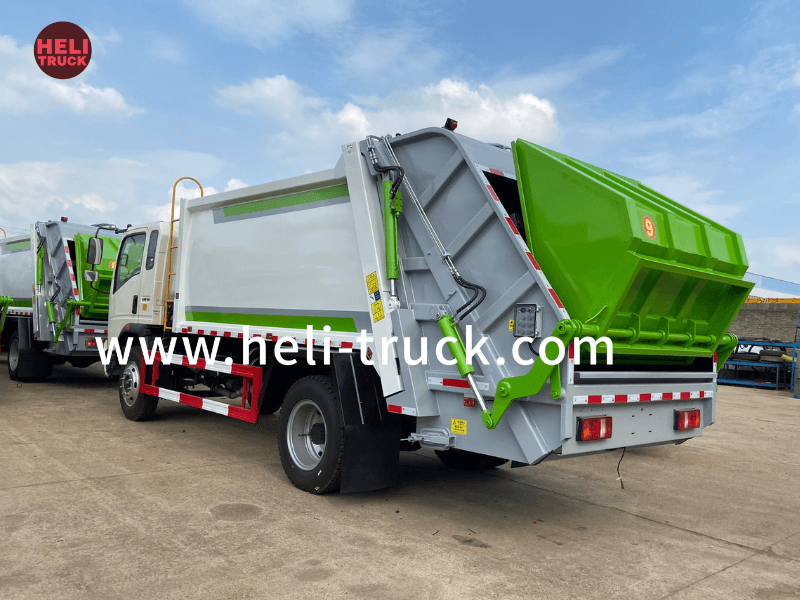
- Loading Mechanism: The loading mechanism of a garbage compactor truck determines how waste is collected and loaded into the compactor unit. Rear loader, front loader, and side loader trucks have different loading mechanisms that suit specific waste collection scenarios.
- Hydraulic System: The hydraulic system of a garbage compactor truck powers the compactor unit and other mechanical components. It is essential to ensure that the hydraulic system is robust and reliable to handle the demands of waste compaction operations.
- Chassis Type: The chassis of a garbage compactor truck provides the structural foundation and support for the compactor unit and other components. The chassis type, such as conventional, cab-over, or articulated, affects the vehicle's maneuverability and stability.
- Drive System: The drive system of a garbage compactor truck determines how power is transmitted to the wheels. Common drive systems include rear-wheel drive, front-wheel drive, and all-wheel drive, each offering different levels of traction and performance.
3. Advanced Features and Technologies
Modern garbage compactor trucks are equipped with advanced features and technologies that enhance their performance, efficiency, and safety. Some of the innovative features to look out for include:
- Automated Collection Systems: Automated collection systems use sensors and robotic arms to lift and empty trash bins into the compactor unit, reducing manual labor and improving collection efficiency.
- Telematics and GPS Tracking: Telematics systems and GPS tracking enable fleet managers to monitor the location, performance, and maintenance needs of garbage compactor trucks in real-time, optimizing route planning and resource allocation.
- Environmental Controls: Environmental controls, such as odor suppression systems and leak-proof seals, help reduce emissions and prevent waste leakage during transportation, ensuring compliance with environmental regulations.
- Safety Features: Garbage compactor trucks are equipped with safety features, including backup cameras, proximity sensors, and emergency stop systems, to protect operators and pedestrians from accidents and injuries.
- Remote Diagnostics: Remote diagnostics systems allow technicians to diagnose and troubleshoot issues with garbage compactor trucks remotely, reducing downtime and maintenance costs.
4. Maintenance and Service Requirements
Proper maintenance and servicing are essential to ensure the optimal performance and longevity of garbage compactor trucks. Regular maintenance tasks include:
- Hydraulic System Inspection: Inspecting hydraulic hoses, cylinders, and pumps for leaks, wear, and damage to prevent system failures and maintain compaction efficiency.
- Compactor Unit Cleaning: Cleaning the compactor unit regularly to remove debris, grease, and residue that can affect compaction performance and cause foul odors.
- Chassis Lubrication: Lubricating chassis components such as bearings, joints, and suspension systems to reduce friction, noise, and wear, prolonging the vehicle's lifespan.
- Electrical System Check: Checking the electrical system, including lights, sensors, and controls, to ensure proper functioning and compliance with safety standards.
- Tire Inspection: Inspecting tires for wear, damage, and proper inflation to maintain traction, stability, and fuel efficiency.
Conclusion
Garbage compactor trucks are essential tools in waste management operations, enabling efficient collection, compaction, and disposal of solid waste. By understanding the key specifications, features, and maintenance requirements of these specialized vehicles, waste management professionals can choose the right garbage compactor truck for their specific needs and ensure its optimal performance and longevity.